The Afternoon of Life
The calendar is empty. Every other time it’s gone empty these past twenty years, I raced to fill it: a new project, a vision, anything with a deadline.
For two decades the unit of my life was the ship date. There was always a next thing to build, and the building was not something I did, it was who I was. Ask builders who they are and they’ll tell you what they’re making. The noun and the verb had fused. I was shaped exactly like my own to-do list.
Now the list is gone, on purpose, and my body hasn’t gotten the memo. My hand still reaches for the phone at five in the morning to check on something that no longer needs checking. I open a laptop and sit in front of a cursor blinking at nothing. There’s a specific vertigo to wanting to work and finding the work has been called off. People who lose a limb say they still feel it, still reach with it. A phantom identity, flexing a hand that isn’t there.
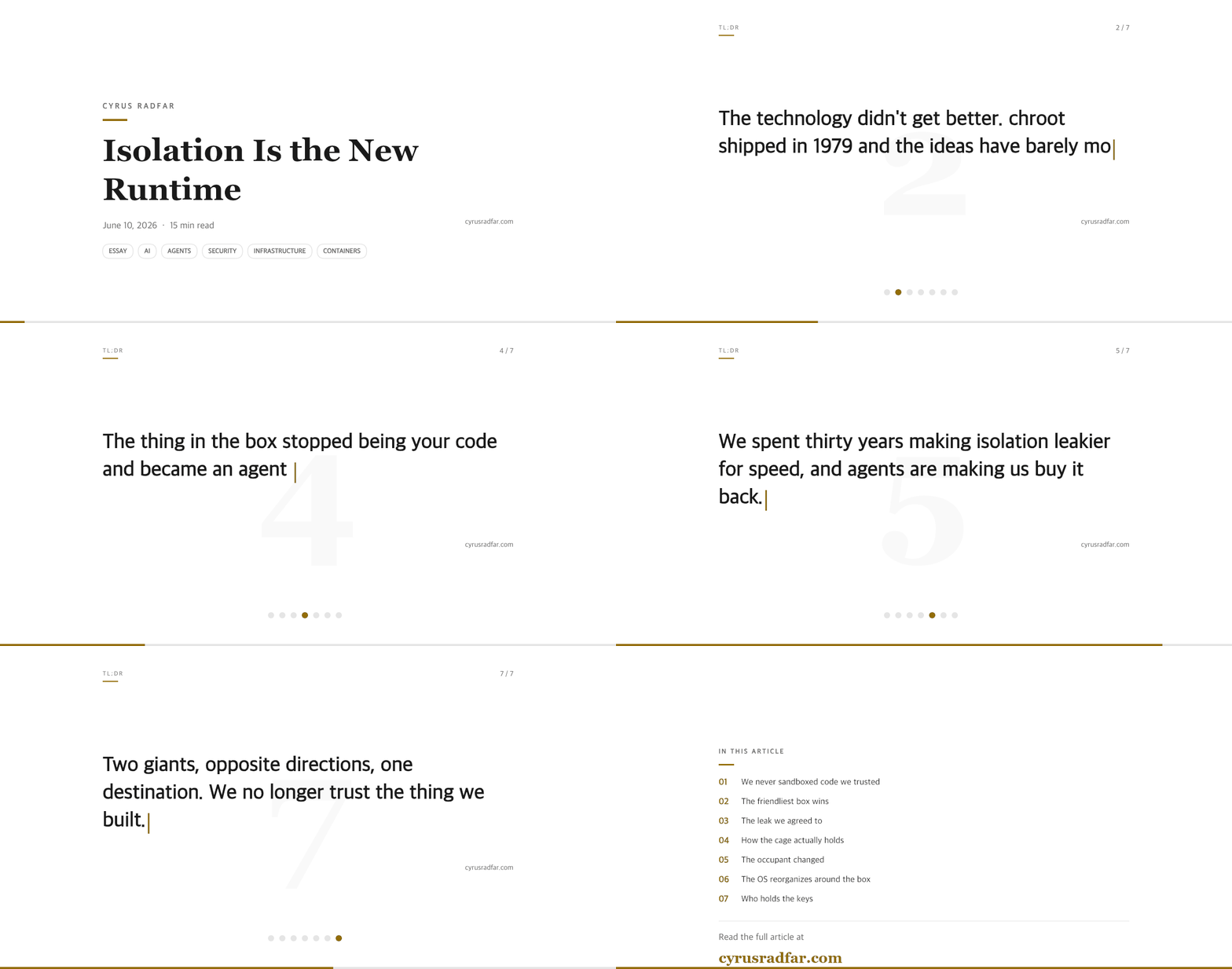
The plan is to load the four of us into one small space and drive through all sixty-three national parks. We’re keeping a record of it at roamschoolfamily.com, which is one way of making sure I can’t quietly back out. People hear the plan and say it sounds amazing, and it does, and that is not what it feels like from in here. From in here it feels like standing in a doorway I spent my whole morning earning the right to walk through, and not being able to take the step.
I keep waiting to feel free. At the moment, it mostly feels like being laid off by myself.
An old Swiss doctor may know what’s up
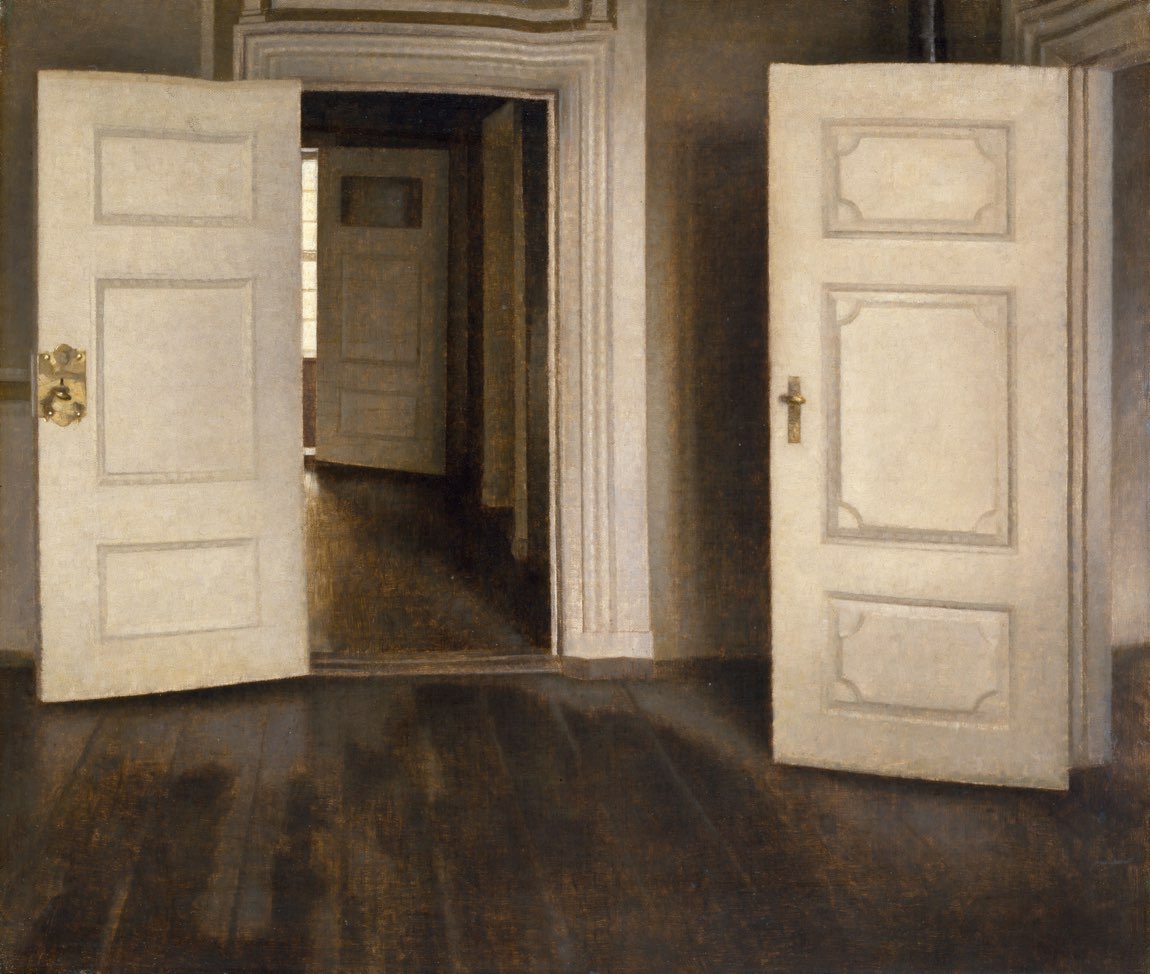
Carl Jung, who spent his life mapping the parts of us we would rather not look at, had a tidy image for the thing I’m bad at. He said a life runs like the arc of the sun across a single day. The morning climbs. You wake into the world, reach outward, build a name and a career and a family and a place to stand. Then, at the top, something quietly reverses. The afternoon is not about climbing higher. It’s about turning the same energy inward.
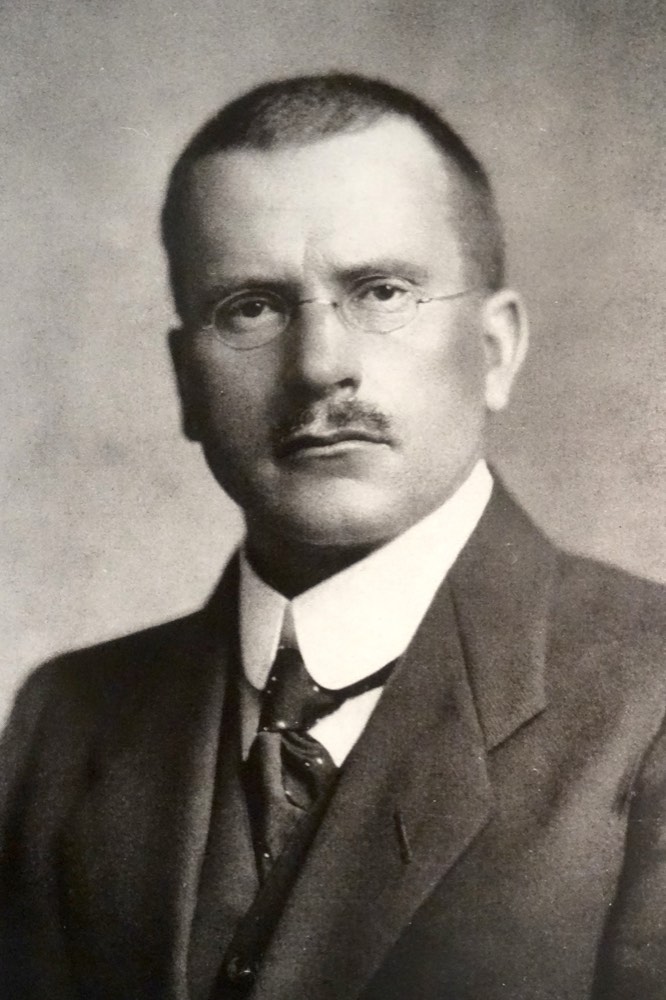
The program that built your morning will bankrupt your afternoon. Jung had a name for the work that replaces it: individuation. The ego spends the morning convinced it’s the main character. The afternoon is when you find out it was only ever the narrator.
Deep DiveWhat Jung meant by individuation
Individuation is Jung’s word for becoming whole. Not improved, not optimized. Whole. In the morning of life the ego’s job is to form and harden, to become a strong, capable “I” that can hold a job, win a mate, claim a place. The trouble starts when the ego comes to believe it is the whole of you. It isn’t. Around and beneath it is what Jung called the Self, the total psyche, conscious and unconscious together, including the disowned parts, the shadow, everything you left out to become presentable.
The work of the second half of life is not to dissolve the ego but to demote it, to let it stop ruling and start serving something larger than its own image of itself. Jung was careful to separate this from individualism. It is not self-assertion or standing apart. The person who individuates becomes more able to belong, not less, because they are finally answering to the whole of themselves instead of the part that wanted to look good.
We have elaborate rituals for the morning: graduations, job titles, the mortgage, the wedding. We have almost nothing for the turn. So when the reversal comes, and it comes for everyone, there’s no name waiting for it. We call it a crisis. We buy the sports car, or start the second company, to feel the morning one more time. I didn’t want the sports car. I wanted the door.
A wilderness I picked out myself
So we are not going sightseeing. “National parks with the kids” sounds like a screensaver, and I mean something stranger.
When you’ve left one station in life and not yet arrived at the next, you’re in what the anthropologist Victor Turner called the liminal state. Betwixt and between. Off the org chart, stripped of the title that used to answer for you. It’s the position of every initiate in every rite of passage humans have ever built. You go out into the wild, you let the old self come apart, and if it works you come back slightly truer. Pull a family out of its house and its schedule and set it on a road for a few years, and you have built, deliberately, a rite of passage. We have stepped off, and not yet arrived.
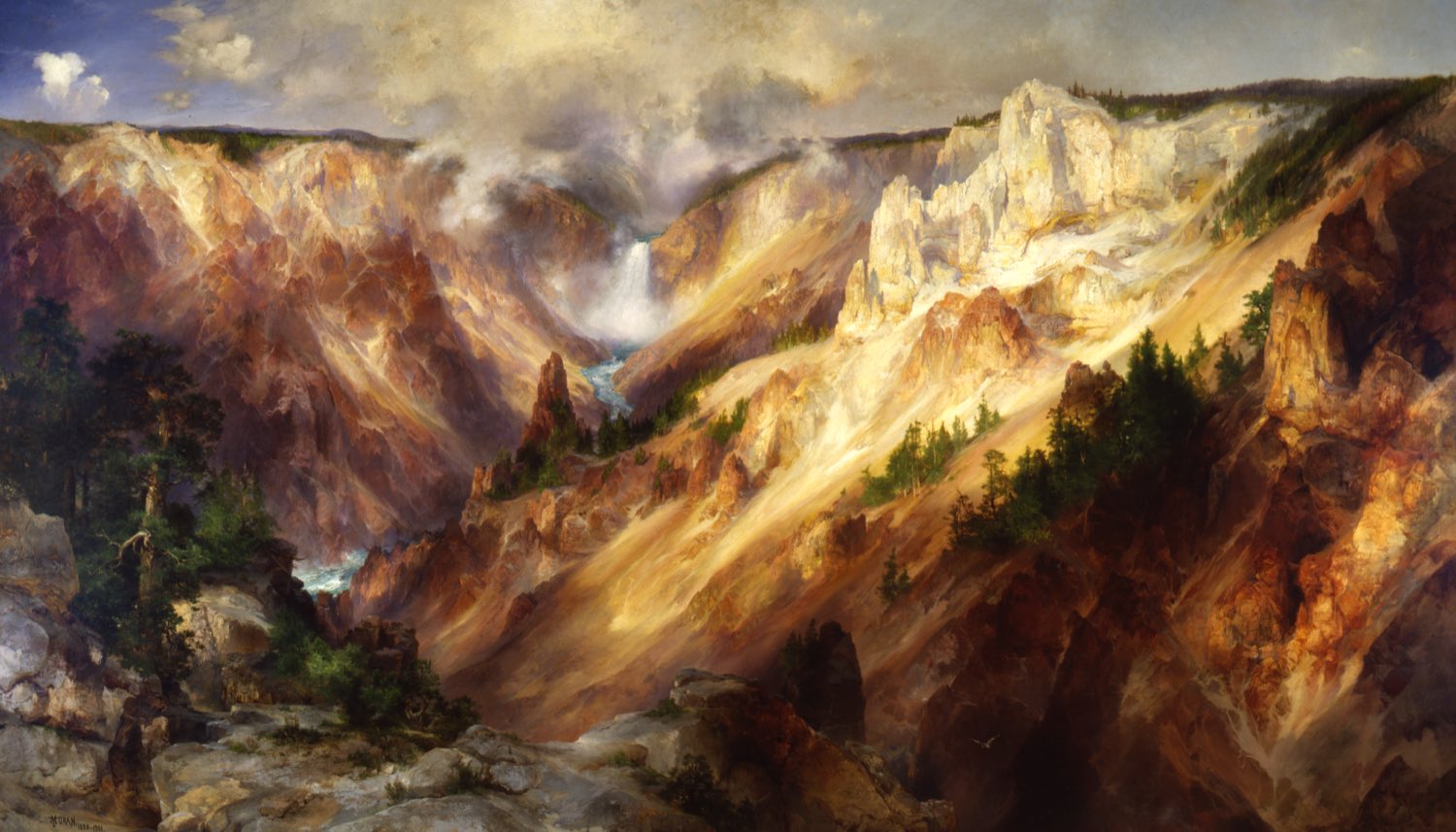
The parks themselves do something I’m counting on. Stand me at the rim of a canyon carved before my species had a name and I get smaller. The canyon does not care what I shipped. It was here before me, and it will be here after me, and that indifference is the medicine I’m driving toward.
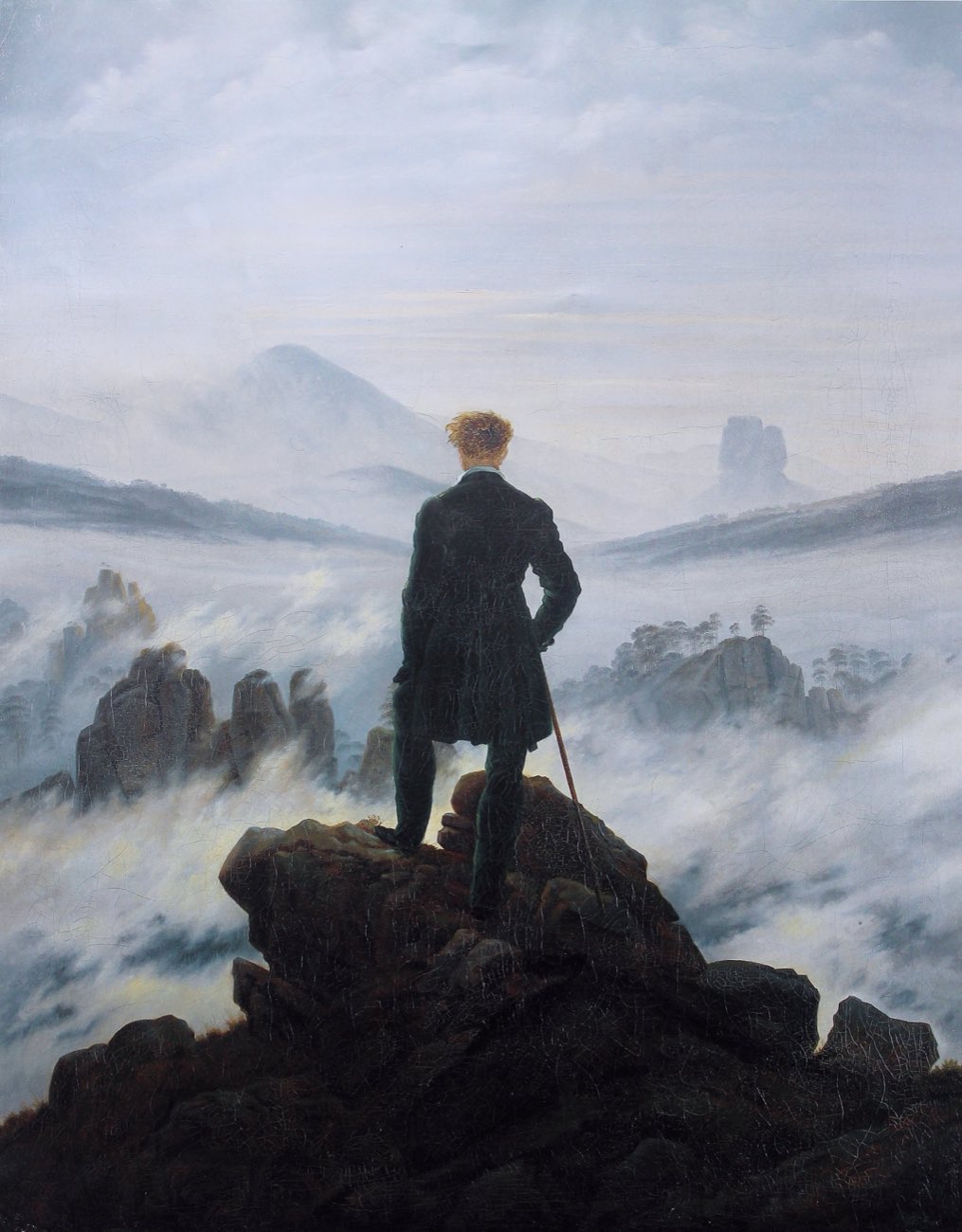
Real transformation is supposed to arrive uninvited. It’s supposed to ambush you. And I have booked mine. I picked the wilderness, mapped the route, and registered the domain name. Someone addicted to building can, if they’re clever enough, build themselves a very convincing letting-go. And buy it, too. I cannot yet tell whether this trip is the crossing Jung described or the most sophisticated thing my ego has ever built to avoid making it. I’m going anyway. And being free to go at all is the rarest thing I own.
With my hands full
Arguably, the work I’m describing is solitary. Turning inward, meeting the parts of yourself you’ve spent a career outrunning, is something you’d think you should do alone. But I am going to attempt it in a space small enough to cross in a few steps, with a wife and two young children, one of whom needs a snack roughly every forty minutes.
That said, I’m an optimist and can manage a crowd.
My kids are doing the exact opposite of what I’m doing. I’m at the age where the task is to loosen the ego, to let the I relax its grip. They’re at the age where the entire job is to build one. They need me to be solid, reliable, a fixed point, somebody. I’m out here trying to become less of a somebody. We are working opposite shifts at the same small table.
And they could not care less about any of this. They want to know whether the next park has a playground, and whose turn it is to sit by the window. Their total indifference to this spiritual emergency may be the most curious part of this next chapter.
I question whether it’s a problem or a blessing to have the counter-point to my own self-analysis. I’ve started to think it’s the answer. There’s a quieter idea sitting underneath Jung’s, from Erik Erikson, who said the real task of midlife isn’t turning inward at all. It’s turning toward the next generation. Caring for what comes after you. If that’s true, the kids aren’t the obstacle to the work. They might be the form the work takes. The thing I drove three thousand miles to find may turn out to be eighteen inches wide.
I think about a night that hasn’t happened yet. It’s eleven o’clock somewhere with no signal, everyone finally asleep, and I’m the only ego awake on the continent, listening to three people breathe. And I want, badly, one hour that belongs to no one but me. And I know I’d give the hour back without thinking if one of them so much as stirred. I drove all this way toward the canyon’s enormous indifference, and the thing that undoes me is the one small body in the dark that is not indifferent to me at all. The same hand that spent twenty years reaching for the next thing to build reaches over and rests on a small back. It isn’t satisfied. It’s just, for once, where it is.
Maybe I don’t need a monastery and the noise is what I need.
Nevertheless, the calendar is still empty. My mind is racing. The door is open. And it’s time to take the first step.
See you on the other side.